Brand Strategy / Visual Identity / Website Direction
Brand Strategy
Visual Identity
Website Direction
PrideArts Rebrand
PrideArts Rebrand
Client: PrideArts
Client: PrideArts
A public-facing identity system for a queer arts organization entering a larger space and a more visible future.
A public-facing identity system for a queer arts organization entering a larger space and a more visible future.
The Challenge
The Challenge
The Challenge
With 50 Jeff Awards and nominations, PrideArts has already built a recognized place in Chicago theatre. Their productions bring queer stories and classics to life with a cheeky twist and an unmistakably queer point of view. PrideArts gives new writers a platform to reach their audience and be seen.
With 50 Jeff Awards and nominations, PrideArts has already built a recognized place in Chicago theatre. Their productions bring queer stories and classics to life with a cheeky twist and an unmistakably queer point of view. PrideArts gives new writers a platform to reach their audience and be seen.
With PrideArts now expanding its reach, the opportunity came to move into Center on Halsted, one of the Midwest’s most comprehensive LGBTQ community centers, serving more than 1,000 community members every day.
With PrideArts now expanding its reach, the opportunity came to move into Center on Halsted, one of the Midwest’s most comprehensive LGBTQ community centers, serving more than 1,000 community members every day.
As part of that move, it was time to reimagine their brand so it could truly capture the experience they create for their audience and community alike. It meant taking a closer look at the theatre’s vision and mission, with storytelling that brings generations of LGBTQ people together.
As part of that move, it was time to reimagine their brand so it could truly capture the experience they create for their audience and community alike. It meant taking a closer look at the theatre’s vision and mission, with storytelling that brings generations of LGBTQ people together.
Finding the Common Thread
Finding the Common Thread
Finding the Common Thread
PrideArts’ discovery process began by asking stakeholders to describe the organization, such as its its audience and goals. The responses revealed different points of view, but they also surfaced a shared language around inclusion, community, empowerment, professionalism, creativity, and queer visibility.
PrideArts’ discovery process began by asking stakeholders to describe the organization, such as its its audience and goals. The responses revealed different points of view, but they also surfaced a shared language around inclusion, community, empowerment, professionalism, creativity, and queer visibility.
PrideArts needed to speak to LGBTQIA+ of all ages, theatre enthusiasts, allies, and local community members without flattening the brand into something overly broad, or stamping a rainbow on it. The opportunity was to find a visual and strategic direction that could connect those groups through a shared relationship to queer storytelling and live performance.
PrideArts needed to speak to LGBTQIA+ of all ages, theatre enthusiasts, allies, and local community members without flattening the brand into something overly broad, or stamping a rainbow on it. The opportunity was to find a visual and strategic direction that could connect those groups through a shared relationship to queer storytelling and live performance.
The discovery also clarified the practical goals of helping PrideArts grow its audience while also giving donors, and community partners a clearer reason to believe in the organization’s future. That meant the work had to balance emotional resonance with credibility, expression with structure, and theatrical energy with public-facing confidence.
The discovery also clarified the practical goals of helping PrideArts grow its audience while also giving donors, and community partners a clearer reason to believe in the organization’s future. That meant the work had to balance emotional resonance with credibility, expression with structure, and theatrical energy with public-facing confidence.
The brand needed queerness without defaulting to rainbows.
The brand needed queerness without defaulting to rainbows.
The brand needed queerness without defaulting to rainbows.
The brand needed queerness without defaulting to rainbows.
Building the Direction
Building the Direction
Building the Direction
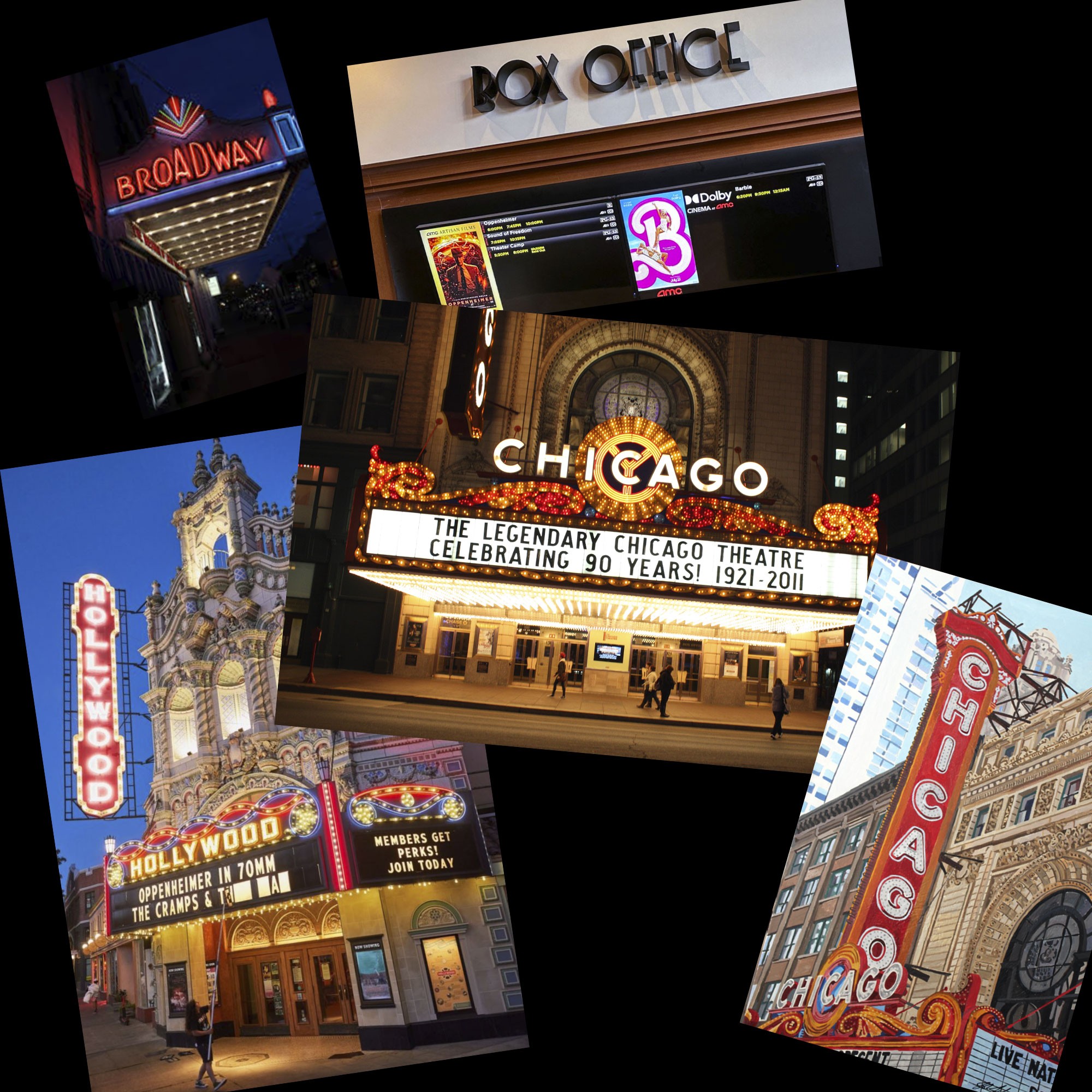
The brand needed theatre without theatre clichés. It needed queerness without defaulting to rainbows.
The brand needed theatre without theatre clichés. It needed queerness without defaulting to rainbows.
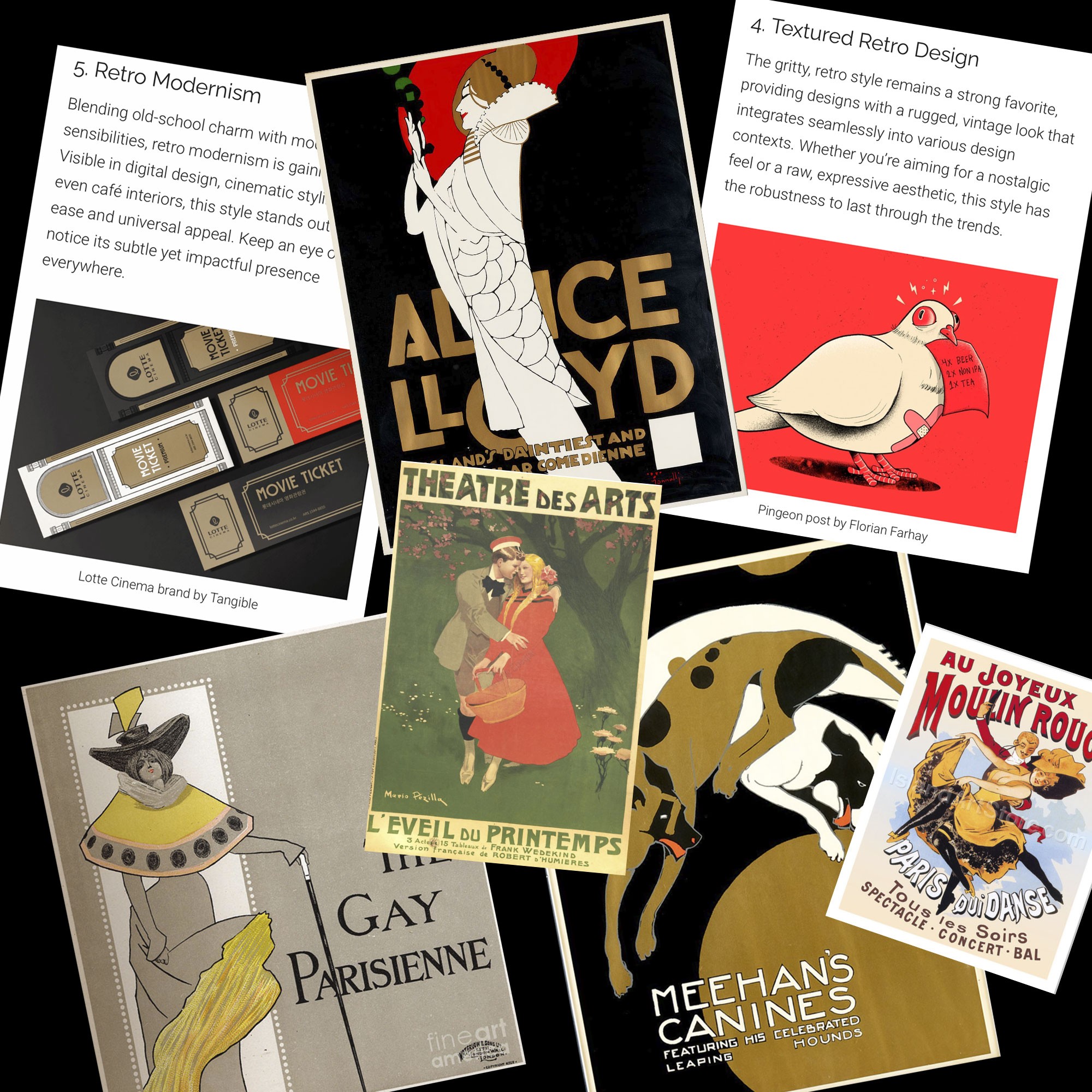
Art Deco became the bridge. Its history in performance, spectacle, and queer expression gave PrideArts a visual language that could feel both established and alive.
Art Deco became the bridge. Its history in performance, spectacle, and queer expression gave PrideArts a visual language that could feel both established and alive.
The direction pulled from Deco’s geometry, glamour, and theatrical edge, translating those references into a system with structure and drama. Polished enough to support the organization’s public presence. Expressive enough to feel like PrideArts.
The direction pulled from Deco’s geometry, glamour, and theatrical edge, translating those references into a system with structure and drama. Polished enough to support the organization’s public presence. Expressive enough to feel like PrideArts.
Rethinking the Website Experience
Rethinking the Website Experience
Rethinking the Website Experience
The website needed to behave more like theatre.
The website needed to behave more like theatre.
It had to pull people into the world of PrideArts quickly, then make the next step easy to find. Events needed more presence. Ticketing needed less distance. Donation messaging needed to feel less like an emergency and more like an invitation to help the organization grow.
It had to pull people into the world of PrideArts quickly, then make the next step easy to find. Events needed more presence. Ticketing needed less distance. Donation messaging needed to feel less like an emergency and more like an invitation to help the organization grow.
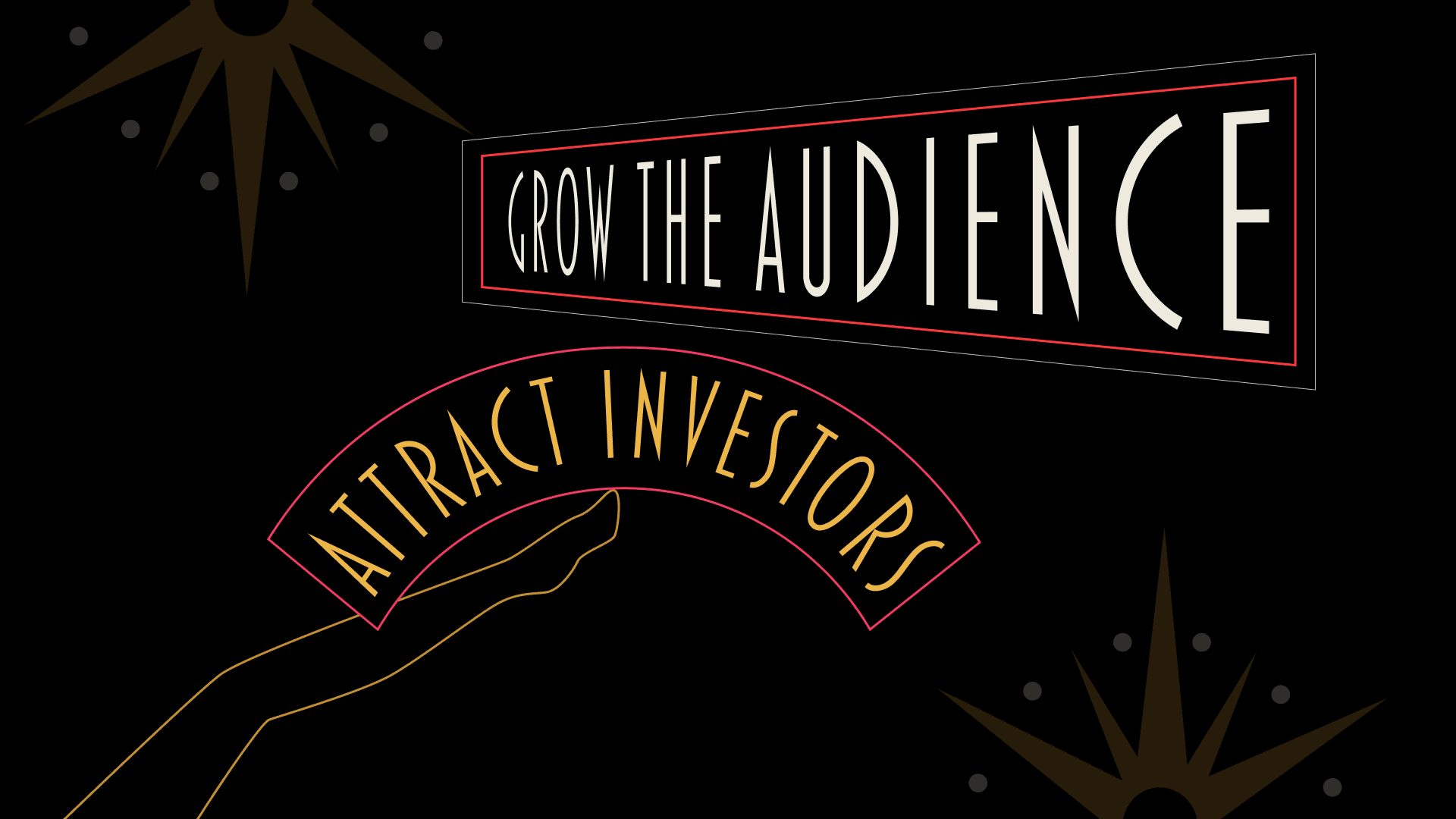
The strategy reshaped the site around attention, movement, and action. Less explaining. More showing. A clearer path from interest to participation.
The strategy reshaped the site around attention, movement, and action. Less explaining. More showing. A clearer path from interest to participation.
Show not Tell.
This is Theater.
Let the drama and excitement be what captivates the audience.
Show not Tell.
This is Theater.
Let the drama and excitement be what captivates the audience.
Show not Tell.
This is Theater.
Let the drama and excitement be what captivates the audience.
Designing the Identity System
Designing the Identity System
Designing the Identity System
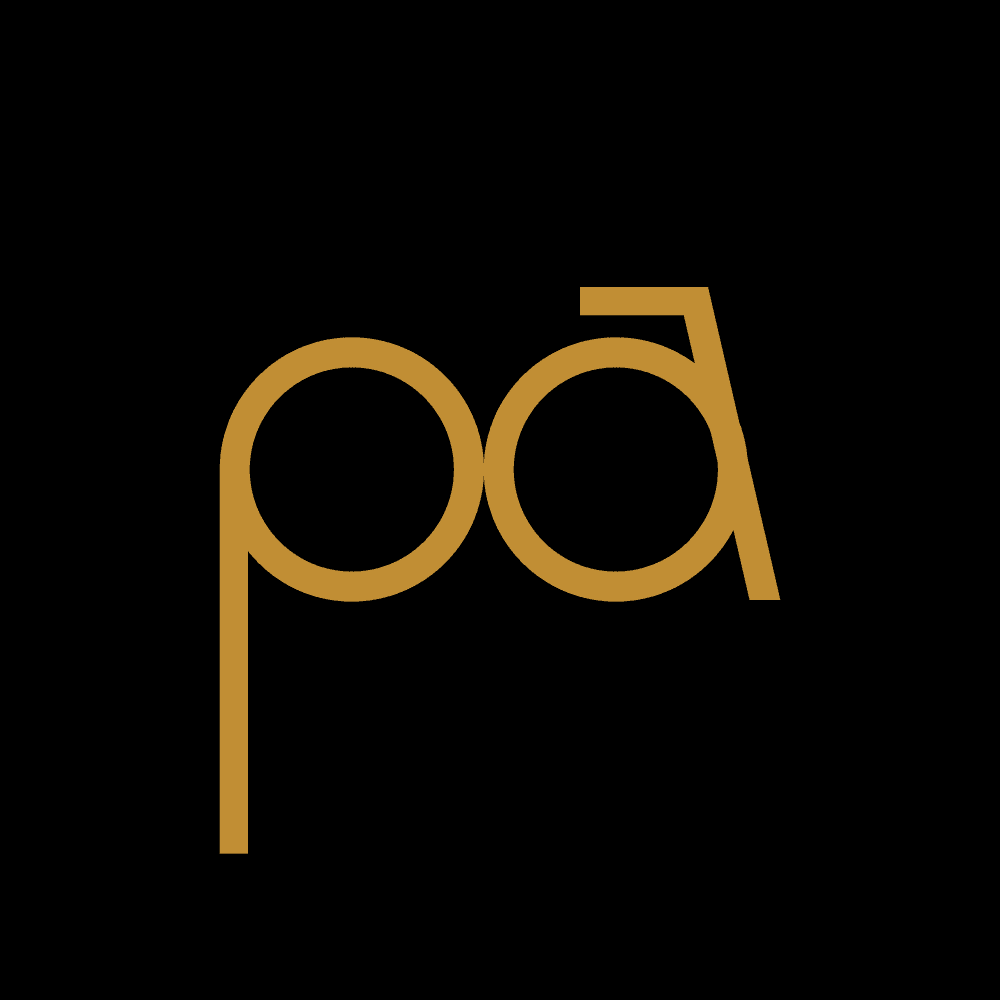
The identity translated the strategic direction into a mark that felt theatrical without becoming expected. The forms of the P and A in PrideArts were brought together to create lorgnettes, or theatre binoculars, connecting the logo directly to performance, spectatorship, and the act of looking.
The identity translated the strategic direction into a mark that felt theatrical without becoming expected. The forms of the P and A in PrideArts were brought together to create lorgnettes, or theatre binoculars, connecting the logo directly to performance, spectatorship, and the act of looking.
That gesture also created a broader metaphor for visibility. The mark was not only about watching theatre. It was about seeing queer stories, recognizing community, and giving PrideArts a symbol that felt rooted in performance while carrying a deeper sense of purpose.
That gesture also created a broader metaphor for visibility. The mark was not only about watching theatre. It was about seeing queer stories, recognizing community, and giving PrideArts a symbol that felt rooted in performance while carrying a deeper sense of purpose.
The full wordmark was designed to preserve the name as one connected brand while still allowing “Pride” and “Arts” to read clearly. The letter E created a visual pause before the A, helping the two ideas remain legible within a single word. The T introduced a subtle reference to the Pride flag, giving the identity a queer signal without making the system feel overly literal.
The full wordmark was designed to preserve the name as one connected brand while still allowing “Pride” and “Arts” to read clearly. The letter E created a visual pause before the A, helping the two ideas remain legible within a single word. The T introduced a subtle reference to the Pride flag, giving the identity a queer signal without making the system feel overly literal.
The result was a logo system that felt established and expressive, yet ownable. The visual identity connected theatre history with queer visibility while helping PrideArts step into a more confident public presence.
The result was a logo system that felt established and expressive, yet ownable. The visual identity connected theatre history with queer visibility while helping PrideArts step into a more confident public presence.
Extending the Brand Into Use
Extending the Brand Into Use
Extending the Brand Into Use
The identity system was designed to move beyond the logo and into the places where PrideArts would be seen, experienced, and supported. It extended across digital touchpoints, relaunch materials, presentation design, and branded event assets, creating a more cohesive public presence for the organization’s next chapter.
The identity system was designed to move beyond the logo and into the places where PrideArts would be seen, experienced, and supported. It extended across digital touchpoints, relaunch materials, presentation design, and branded event assets, creating a more cohesive public presence for the organization’s next chapter.
…make the brand easier to use without diluting its meaning.
…make the brand easier to use without diluting its meaning.
…make the brand easier to use without diluting its meaning.
…make the brand easier to use without diluting its meaning.
Making the Brand Easier to Protect
Making the Brand Easier to Protect
The rebrand was documented in a visual guideline system so PrideArts could apply the identity consistently after handoff. The guidelines defined logo lockups, color applications, typography, spacing, accessibility considerations, usage rules, and file type recommendations.
The rebrand was documented in a visual guideline system so PrideArts could apply the identity consistently after handoff. The guidelines defined logo lockups, color applications, typography, spacing, accessibility considerations, usage rules, and file type recommendations.
The goal was to make the brand easier to use without diluting its meaning. By clarifying how the identity should appear across digital, print, social, and event materials, the guidelines gave the team a shared reference for protecting the consistency, legibility, and presence of the brand as it continued to grow.
The goal was to make the brand easier to use without diluting its meaning. By clarifying how the identity should appear across digital, print, social, and event materials, the guidelines gave the team a shared reference for protecting the consistency, legibility, and presence of the brand as it continued to grow.
Every idea begins with a point.
Every idea begins with a point.
Every idea begins with a point.
Let’s shape what comes next.
Let’s shape what comes next.
Let’s shape what comes next.
Book a Session